
What is the most important social media platform for influencers in 2026
Instagram remains the top platform for influencer marketing, with over 2 billion monthly active users and brands earning approximately $4.12 for every $1 spent on influencer campaigns. But the game has changed dramatically since 2020. To succeed today you need to focus on a micro-niche, master analytics, utilize the content mix, leverage AI tools, optimize for saves and shares, collab powerfully and approach brands strategically.
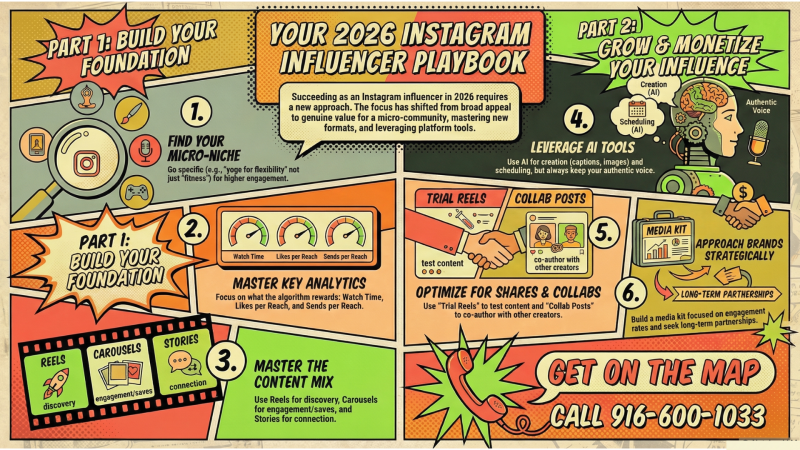
1. Find Your Micro-Niche (Not Just a Niche)
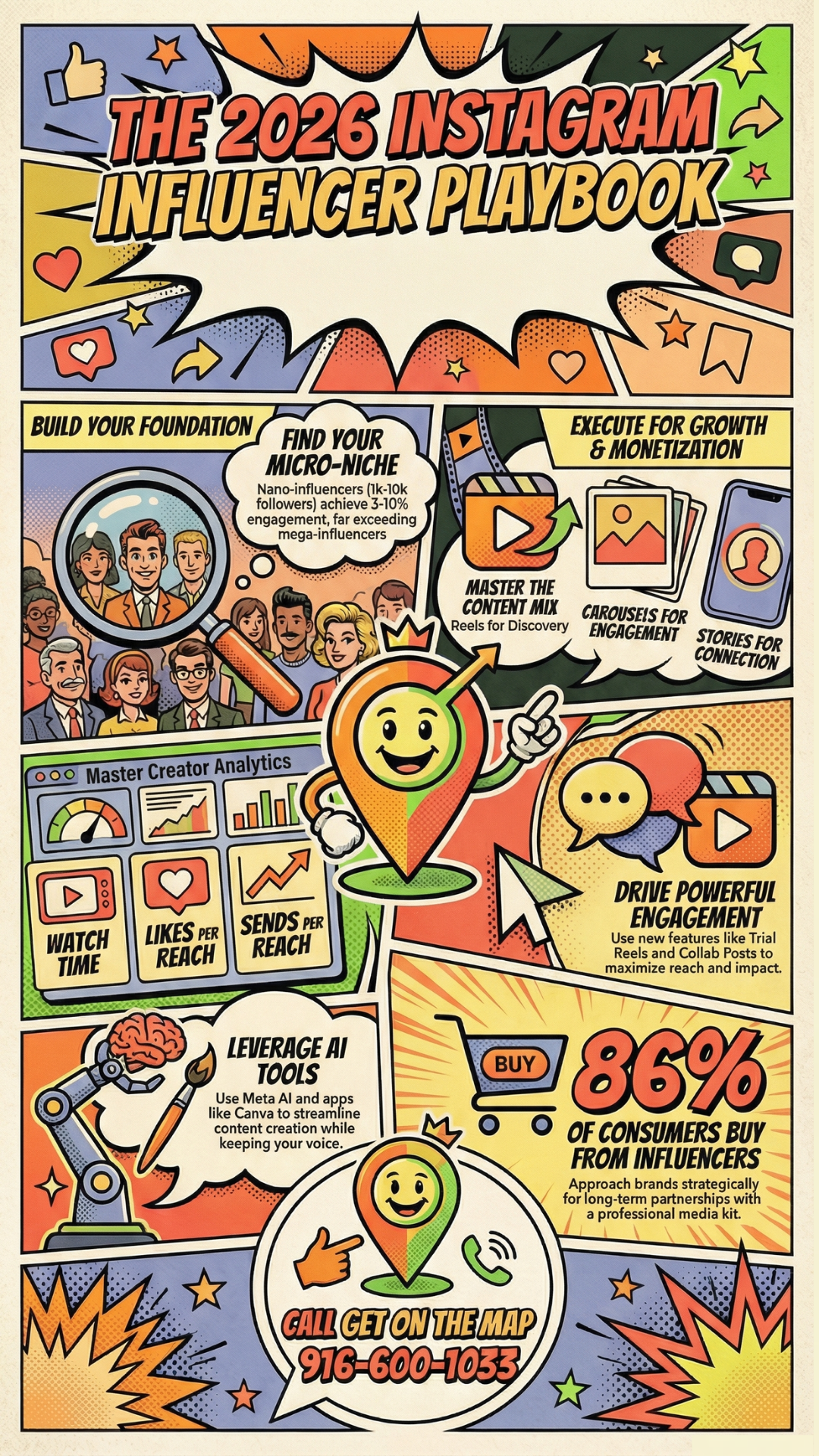
In 2026, success comes from micro-communities—groups sharing specific values, lifestyles, and interests. Instagram’s algorithm now groups content into micro-niches rather than broad categories. Instead of “fitness,” think “home workout routines for beginners” or “yoga for flexibility.” The more specific your focus, the more engaged your audience will be. Nano-influencers (1,000-10,000 followers) achieve engagement rates of 3-10%, compared to 0.5-1% for mega-influencers.
2. Switch to a Creator Account & Master Analytics
Creator accounts give you access to crucial metrics that define success in 2026. The three key ranking signals Instagram now prioritizes are: watch time (how long people view your content), likes per reach (important for your existing followers), and sends per reach (the most powerful signal for reaching new audiences). Track these metrics obsessively—they’ll tell you exactly what’s working.
3. Master the Content Mix: Reels, Carousels & Stories
Each format serves a different purpose:
- Reels for discovery: Keep them under 90 seconds, hook viewers in the first 1.7 seconds, and use trending audio. Reels achieve 2.46% engagement and are your primary growth tool.
- Carousels for engagement: These generate the highest saves and now allow up to 20 images. Perfect for educational content and storytelling.
- Stories for connection: Post 3-5 quality Stories throughout the day (not 10+ at once). Use polls and questions to drive interaction. Accounts under 10,000 followers saw a 35% increase in Story reach in 2025.
4. Leverage AI Tools to Work Smarter
2026’s biggest shift: AI is now built into Instagram itself. Meta AI lets you generate and animate custom stickers and images directly in DMs and Stories. Meta’s new “Edits” app offers AI-driven animations, green-screen tools, and real-time post insights. External tools like Buffer, Canva, and CapCut can help you generate captions, create visuals, and schedule content efficiently. Use AI to streamline your workflow, but keep your authentic voice—audiences can spot generic AI content instantly.
5. Optimize for Sends & Saves (Not Just Likes)
The algorithm has evolved beyond simple engagement. DM shares are now the strongest signal for reaching new audiences—694,000 Instagram Reels are sent via DM every minute. Create content people want to share: useful tutorials, relatable moments, or content that sparks conversation. Add calls-to-action like “Share this with someone who needs to hear this” or “Tag a friend who does this.” One influencer generated over 780,000 comments using the simple strategy of asking followers to comment a single word to receive information.
6. Use Trial Reels & Collab Posts
Two powerful 2026 features: Trial Reels let you test content with non-followers first—if it performs well, you can then share it with your audience. This removes the risk of posting content that might flop. Collab posts let you co-author content with other creators, appearing in both feeds simultaneously. This is the modern version of “working as a team”—build partnerships with creators in complementary niches.
7. Approach Brands Strategically
86% of consumers make purchases inspired by influencers at least once a year. Brands are increasingly seeking long-term partnerships over one-off posts—research shows people need to see content at least seven times before it makes a lasting impression. Create a media kit showing your engagement rates (not just follower count), audience demographics, and content examples. Follow brands before reaching out, engage with their content, and pitch how you can solve a specific problem for them. Consider Instagram’s built-in monetization: affiliate programs, subscriptions, and in-app digital product sales are all expanding in 2026.
The Bottom Line
Becoming an Instagram influencer in 2026 isn’t about gaming the algorithm—it’s about creating genuine value for a specific community. The platform now rewards authenticity, watch time, and shareable content over vanity metrics. Stay consistent (3-5 posts per week is optimal), keep learning as features evolve, and focus on building real relationships with your audience. The influencer marketing industry is projected to exceed $33 billion—there’s plenty of opportunity for creators who commit to the craft.
With Instagram’s new SEO strength, becoming an influencer offers even more potential.