
A Parasite SEO Case Study Inspired by a Gardener Who Hated Boring Ideas
Some case studies start with spreadsheets. This one started with my sister.
My beloved sister Jeannie Hanson was a garden designer with strong opinions. One of them was a deep dislike for the phrase “low-maintenance garden.” She thought it was code for dull, lifeless, and uninspired. If someone wanted average, she was not their person.
Last month, while working on a Parasite SEO case study, I found myself thinking about Jeannie and smiling. Instead of chasing another predictable keyword, I decided to build something she would have appreciated.
The idea was simple, specific, and slightly rebellious.
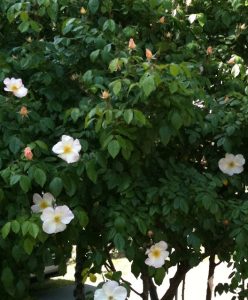
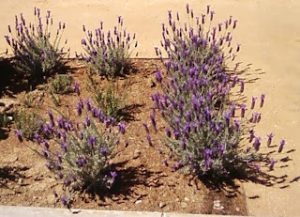
Create an English Garden in a Sacramento Mediterranean Climate.
The Parasite SEO Experiment
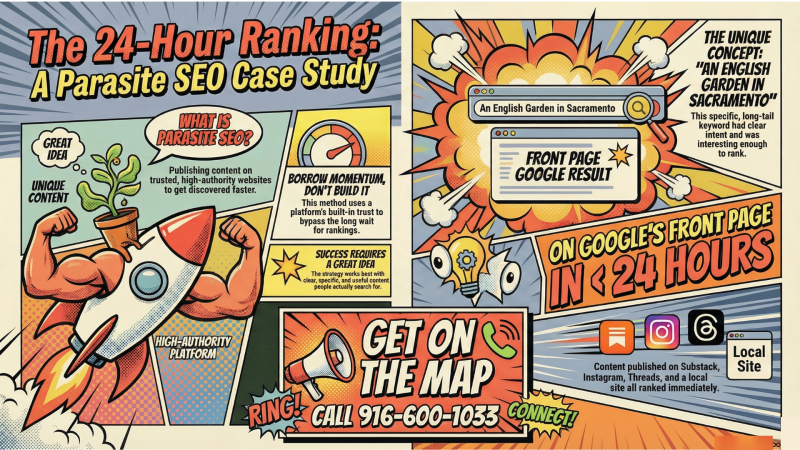
Parasite SEO works by publishing highly targeted content on platforms that already have strong domain authority, then letting their built-in trust do the heavy lifting. Instead of waiting months for a new page to age, you borrow momentum from places Google already loves.
For this test, the goal was not traffic for traffic’s sake. It was speed, relevance, and proof.
The keyword was intentionally long-tail and visually rich. It had clear intent, a geographic anchor, and just enough contradiction to be interesting. English garden. Sacramento climate. Mediterranean conditions.
That tension is exactly what makes a search query rankable.

The Timeline That Made Me Laugh Out Loud
Here is where it got fun.
Less than 24 hours:
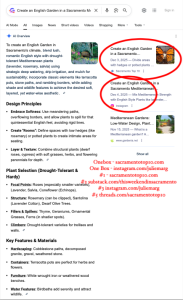
The content hit the front page of Google.
No waiting. No backlinks. No hand-wringing.
Within 72 hours:
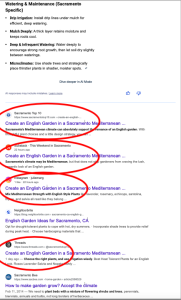
Multiple platforms were sitting on page one of Google for variations of the same idea.
Four different properties. One concept. All ranking.
That is Parasite SEO doing exactly what it is supposed to do.
Why This Worked So Fast
This was not luck. It was alignment.
First, the query was human. It sounded like something a real person would ask, not a keyword stuffed Frankenstein phrase.
Second, the topic matched the platforms. Visual inspiration thrives on Instagram. Narrative explanation performs well on Substack. Community and conversation fit Threads. SacramentoTop10.com anchored the local relevance.
Third, the idea itself was memorable. “Low maintenance” never sparks curiosity. An English garden surviving a Sacramento summer absolutely does.
Google rewards clarity, specificity, and usefulness. This checked all three boxes.
The Real Lesson Jeannie Would Have Loved
Jeannie believed gardens should have personality. This case study proved content should too.
Parasite SEO is not about gaming the system. It is about placing thoughtful ideas where they can be discovered faster. When the concept is clear and the intent is real, authority does the rest.
I like to think she would have rolled her eyes at the term Parasite SEO, then immediately approved the experiment once she saw the results.
After all, nothing about an English garden in a Mediterranean climate is boring. And neither is a strategy that hits page one in under a day.
Sometimes the best SEO ideas come from refusing to be average.